Placement geometry
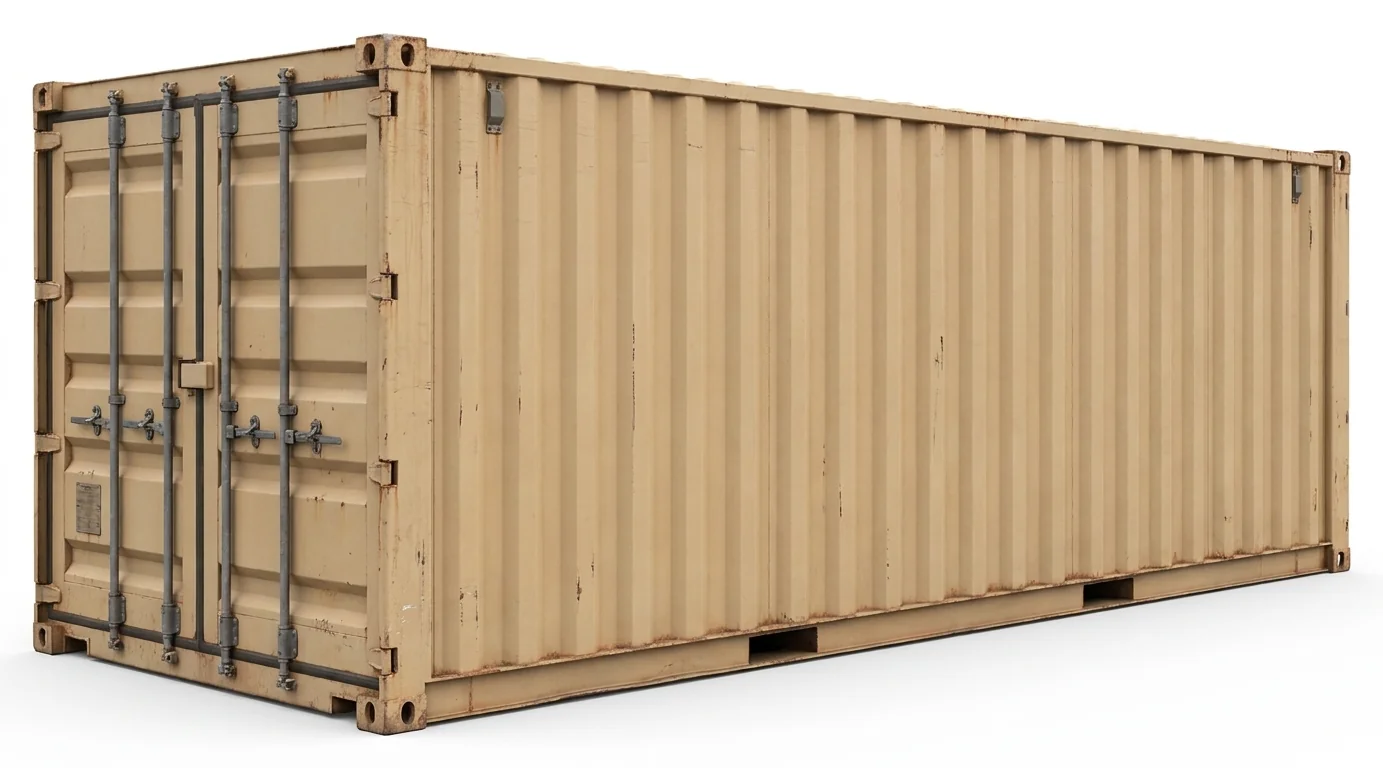
- Can the container sit on a flat, compacted pad, or will it bridge minor slope near a drainage swale?
- Identify door swing space and aisle width for pallets, carts, or forklifts servicing the container.
- Confirm overhead limits for delivery and set-down near canopies or utilities common to loading areas.
Access and frequency of use
Heavy rotation at logistics sites favors doors aligned with traffic flow. Light, long-term storage at construction laydowns may prioritize security and distance from active crane or lift zones. Note whether access will occur during wet conditions that make unpaved routes slick.
Surface and weather
Regular precipitation can soften shoulders around paved aprons. Containers resting on uneven or saturated ground can shift and bind doors. A firm, drained base helps keep doors operable during humidity swings and protects contents from splash and runoff.
Integration with site equipment
- Fork access to load/unload? Check turning radius and surface bearing where trucks or forklifts service the box.
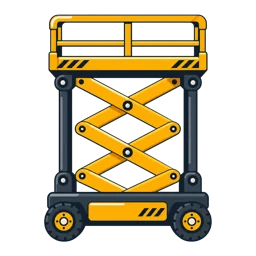
- Coordinating with aerial work near the container? Maintain setbacks for lift travel paths and swing radii.
- For power tools or lighting inside the container, plan cable routes to generators or site power; see /generators-light-towers-rental/.
Nearby communities and haul routes
Projects in surrounding areas often stage containers on mixed surfaces, from gravel lots to sloped drive cuts. Verify approach grades, curb heights, and space to reposition the delivery vehicle without rutting.
Actual conditions, the selected unit’s instructions, and site procedures govern exterior placement and work around containers.