Start with the route, not just the load
Trace the full path from pickup to drop-off. In Chattanooga, a move may start on compacted gravel, cross a threshold, and end inside on a finished slab. That sequence determines power type, tires, and overall size as much as load weight.
Key planning points: - Aisle width and turning room at rack ends - Door and dock opening sizes, ramp slopes, and thresholds - Surface conditions: dry slab, wet yard, or mixed - Required lift height and fork visibility at the target level
Electric vs. rough-terrain in the regional climate
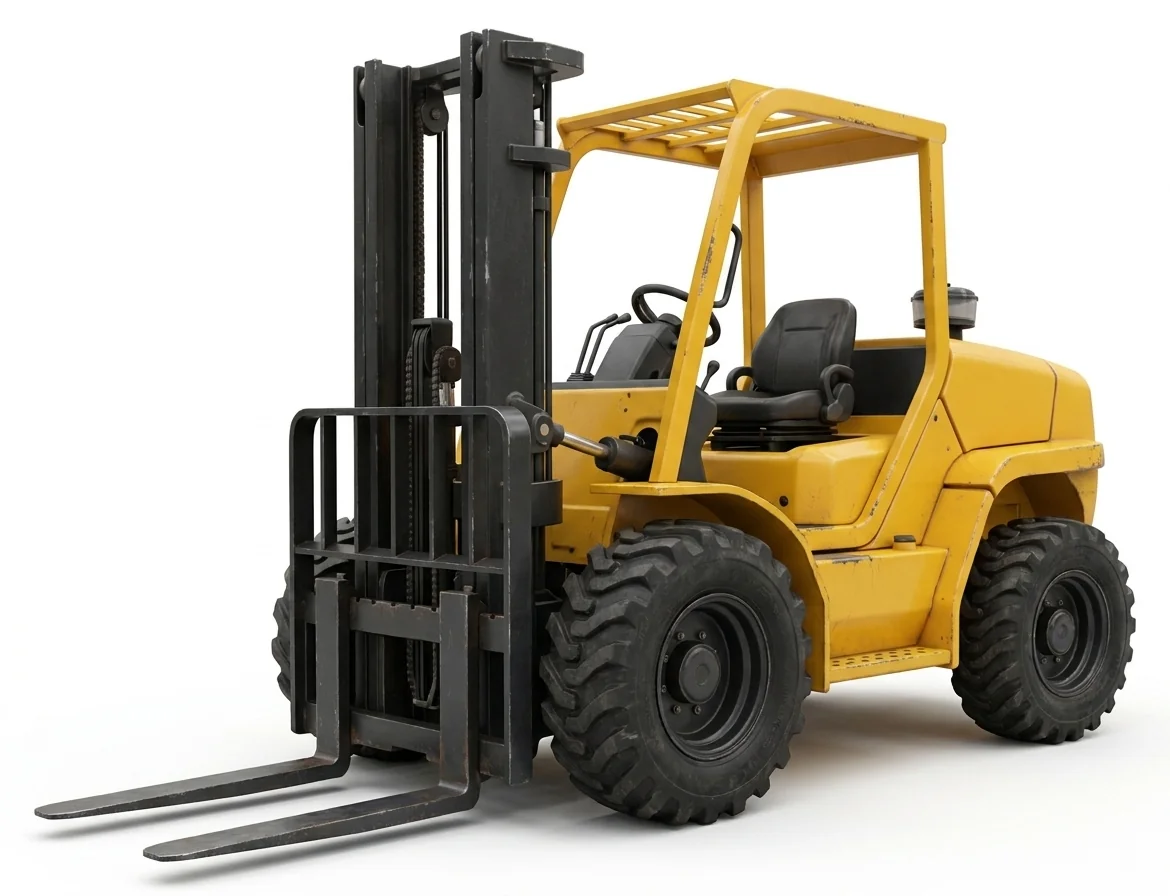
Humidity and frequent rain leave outdoor yards soft and slick, while interiors demand clean, quiet operation. Electric sit-down or stand-up units suit interior runs and narrow aisles. Rough-terrain forklifts handle pallets on uneven exterior surfaces. Actual conditions, the selected unit’s instructions, and site procedures govern movement and staging.
Measurements that narrow the field
- Load weight and dimensions, including pallet type
- Mast height needed to clear the top beam or trailer stack
- Overall collapsed height for low doorways
- Turning radius at pinch points and staging zones
Chattanooga use cases
- Cross-dock transfers between trailers and interior staging on polished slabs
- Yard handling of building materials for ongoing expansions
- Mixed-route moves from outdoor laydown to interior racking
For elevated placement beyond standard mast heights, compare /telehandler-rental/. For personnel work at height in the same facility, see /vertical-mast-lift-rental/ or /electric-scissor-lift-rental/.