Site layout: where can the unit sit and how far must it reach?
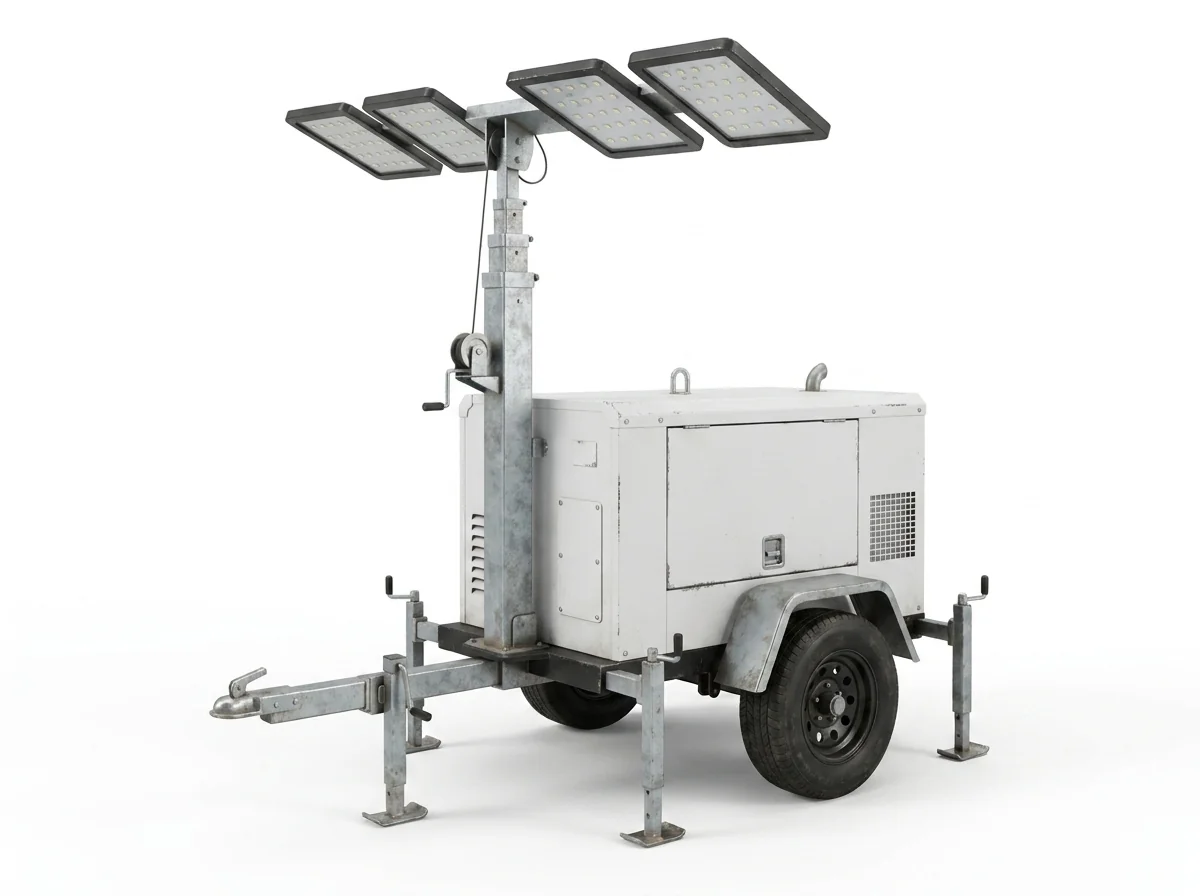
- Can the generator or tower sit on a firm apron, or does it need to stage on compacted gravel near an active laydown?
- Measure the distance from the unit to the loads or the dark work zone. Longer cable runs add voltage drop; longer light throw changes mast height and fixture pattern.
- Note door widths, curb cuts, and any grade transitions between staging and work areas common around local distribution buildings.
Terrain and weather in Chattanooga
The regional climate brings steady precipitation and humidity. Standing water and soft top layers form along slab edges and unpaved access near industrial sites. For outdoor lighting, ground firmness and drainage affect tower stability. For generators, water management around the unit and cable paths matters. Moisture also influences whether an electric scissor lift inside a warehouse needs temporary perimeter lighting while dock doors stay closed in storms.
Power profile: continuous, peak, and sensitivity
- List total running load and any motor-start surges from tools, pumps, or temporary HVAC.
- Identify sensitive electronics for voltage regulation needs.
- Decide if the load is intermittent (shift changes, short pours) or continuous (overnight freight turns) to set fuel capacity and refueling windows.
Light coverage: height, spacing, and glare control
High-bay interiors in local logistics buildings often need task lighting at mezzanines or rack aisles, while exterior yards require broader coverage for truck movement. Mast height, head count, and beam spread set spacing. Confirm clearances under overhead utilities and building eaves when raising masts near dock lines.
Access route and surface
- Track or tire marks may be restricted on finished slabs and newly paved aprons; plan staging on mats or gravel shoulders when required by site procedures.
- Sloped approaches near river-valley drainage can affect towable tower positioning. Verify turning radius and grade limits along the route from the gate to the pad.
Coordination with aerial work
If lighting or power supports elevated tasks, match equipment to the lift category: - Indoor rack work: see /electric-scissor-lift-rental/ - Uneven exterior work: see /rough-terrain-scissor-lift-rental/ - High-reach tasks on developing pads: see /boom-lift-rental/ and /articulating-boom-lift-rental/
Actual conditions, the selected unit’s instructions, and site procedures govern all exterior setup and elevated work support.